
The Benefits of Using Text to Speech for E-Learning and Education
Introduction to Text to Speech Technology
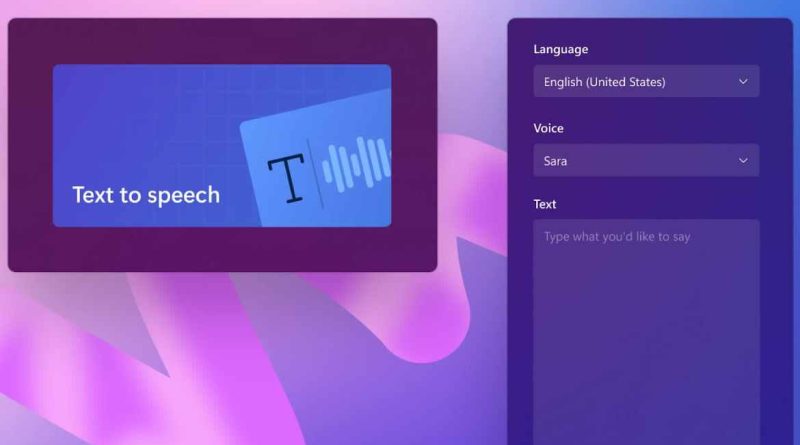
Text to Speech (TTS) technology has rapidly evolved, providing significant advantages across various fields, particularly in e-learning and education. This technology converts written text into spoken words, making it an invaluable tool for educators, students, and content creators. Its integration into educational platforms offers numerous benefits that enhance the learning experience, catering to diverse needs and learning styles.
Enhancing Accessibility in Education
One of the primary benefits of TTS technology is its ability to enhance accessibility. Students with visual impairments or reading difficulties, such as dyslexia, can greatly benefit from TTS. By converting text into speech, these students can access educational content more easily, ensuring they receive the same learning opportunities as their peers. Additionally, TTS can support multilingual students by providing accurate pronunciations and aiding in language acquisition.
Supporting Diverse Learning Styles
TTS technology supports various learning styles, making education more inclusive. Auditory learners, who comprehend information better through listening, can benefit significantly from TTS. It allows them to listen to lectures, textbooks, and other educational materials, improving retention and understanding. This adaptability ensures that education caters to individual learning preferences, fostering a more effective learning environment.
Improving Reading and Comprehension Skills
For students struggling with reading, TTS can be a powerful tool to improve their skills. Listening to text while reading along can help students develop better word recognition, pronunciation, and fluency. This dual-sensory input can enhance comprehension and retention, making complex subjects more approachable. By providing a supportive reading experience, TTS technology can boost students’ confidence and academic performance.
Enhancing Study Efficiency
TTS technology can significantly enhance study efficiency for students. By converting text into speech, students can listen to their study materials while engaging in other activities, such as commuting or exercising. This flexibility allows for better time management and multitasking, enabling students to maximize their study time. Additionally, listening to content can reinforce learning and help with information retention.
Facilitating Content Creation for Educators
Educators can leverage TTS technology to create more engaging and dynamic content. By incorporating audio elements into their lessons, teachers can cater to different learning styles and keep students more engaged. TTS can also be used to create audio versions of textbooks, assignments, and study guides, providing students with alternative ways to access and consume educational materials. Using free AI voice text-to-speech tools adds an extra layer of accessibility, allowing for versatile and cost-effective solutions that enhance the overall teaching and learning experience.
Enhancing Language Learning
TTS technology is particularly beneficial for language learning. It provides accurate pronunciation and intonation, helping students learn new languages more effectively. By listening to native-like pronunciations, students can improve their speaking and listening skills. TTS also allows for the repetition of difficult words or phrases, aiding in language retention and fluency. This feature is especially useful for self-paced learning and language practice.
Supporting Special Education Needs
TTS technology is a valuable tool for special education. It can assist students with various disabilities, including autism, ADHD, and cognitive impairments. By providing auditory input, TTS can help these students process information better and stay focused. It also offers an alternative to traditional reading, which can be challenging for some students. By accommodating diverse needs, TTS technology ensures that all students have access to quality education.
Enhancing Engagement and Motivation
Engagement and motivation are crucial for effective learning. TTS technology can make learning more interactive and enjoyable. By incorporating audio elements, educators can create a more immersive learning experience. Listening to text can also reduce the monotony of reading, making learning more dynamic and interesting. This increased engagement can lead to better learning outcomes and higher motivation levels among students.
Reducing Cognitive Load
Reading and processing large amounts of text can be cognitively demanding. TTS technology can help reduce cognitive load by allowing students to listen to content instead of reading it. This can be particularly beneficial for complex subjects that require a lot of mental effort. By listening to information, students can focus better and understand the material more easily. This reduction in cognitive load can enhance learning efficiency and effectiveness.
Providing Consistent Delivery of Information
TTS technology ensures that information is delivered consistently, without variations that can occur with human readers. This consistency can be crucial for understanding and retaining complex information. Students can listen to the same text multiple times, ensuring they grasp all the details. This reliable delivery of content can improve comprehension and academic performance.
Enhancing Remote and Online Learning
With the rise of remote and online learning, TTS technology has become even more valuable. It provides an accessible way for students to engage with digital content. TTS can convert online textbooks, articles, and other materials into speech, making them more accessible for students studying from home. This adaptability ensures that all students can continue their education seamlessly, regardless of their location.
Supporting Lifelong Learning
TTS technology is not limited to traditional education settings. It also supports lifelong learning by providing accessible content for adult learners. Professionals can use TTS to listen to industry reports, articles, and other materials, enhancing their knowledge and skills. This continuous access to information fosters a culture of lifelong learning and professional development.
Future Prospects of TTS in Education
The future of TTS technology in education looks promising. As technology continues to advance, TTS systems will become more sophisticated, providing even better speech quality and naturalness. Integration with artificial intelligence and machine learning, including AI best ai video generator, will enable more personalized learning experiences. Future TTS applications may include real-time language translation and adaptive learning platforms that cater to individual student needs.
Conclusion
Text to Speech technology offers numerous benefits for e-learning and education. By enhancing accessibility, supporting diverse learning styles, and improving study efficiency, TTS creates a more inclusive and effective learning environment. Its applications in language learning, special education, and remote learning further demonstrate its value. As technology continues to evolve, the role of TTS in education will only expand, providing even greater opportunities for students and educators.