
Personal SWOT Analysis: A Powerful Tool for Self-Discovery
In the journey of self-improvement, gaining a deeper understanding of yourself is crucial. One of the most effective ways to do this is through a Personal SWOT Analysis. This tool, often used in business strategy, can be just as powerful when applied to your personal development. By evaluating your Strengths, Weaknesses, Opportunities, and Threats, you can gain clarity on where you stand and how to make the most of your unique abilities and potential. In this article, we’ll explore how to conduct a but and why it’s such a valuable exercise for self-discovery.
What is a Personal SWOT Analysis?
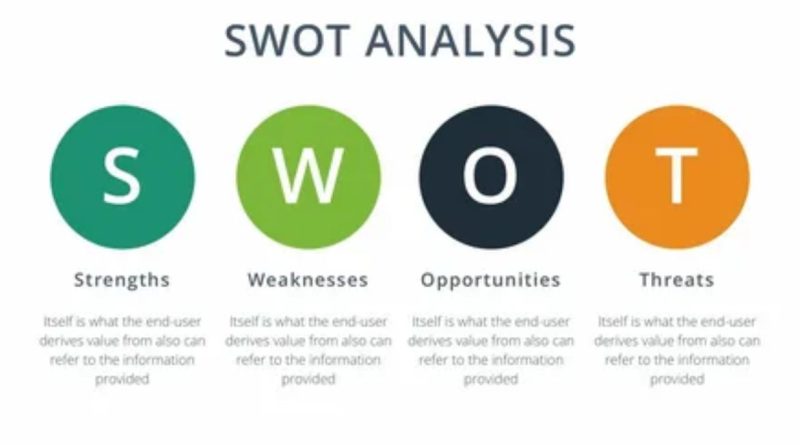
A SWOT Analysis is a strategic planning tool used to assess the internal and external factors that affect an individual, organization, or project. When applied personally, a SWOT analysis allows you to take an honest inventory of your life, enabling you to understand both your strengths and areas for growth.
- Strengths: What are you naturally good at? What advantages do you have over others?
- Weaknesses: What are your limitations? Where could you improve?
- Opportunities: What external factors can you leverage to achieve your goals?
- Threats: What challenges or risks could hinder your progress?
By addressing each of these categories, you’ll be equipped to make informed decisions that align with your personal goals.
Why is Personal SWOT Analysis Important?
A personal SWOT analysis helps you gain insight into your abilities, and it encourages self-reflection and growth. Here are some key benefits of doing a personal SWOT:
1. Clarify Your Strengths
Understanding your strengths is the first step toward leveraging them effectively. Recognizing what you’re good at allows you to focus on tasks that will come naturally to you, whether that’s in your career or personal life. LVIII Roman Numerals are a reminder that even things that seem complex can have a straightforward approach, just like understanding your abilities. A clear grasp of your strengths builds confidence and helps you articulate your value to others.
2. Identify Areas for Improvement
By recognizing your weaknesses, you gain the ability to improve on them. This doesn’t mean you have to be perfect in every area of your life, but it helps you identify what skills or habits might be holding you back. It could be anything from time management issues to a lack of technical skills.
3. Spot Opportunities for Growth
Opportunities are all around us. By analyzing the external factors that can work in your favor—such as trends in your industry, emerging networks, or market demands—you can position yourself to take advantage of them. Personal SWOT analysis helps you stay proactive in spotting these opportunities.
4. Understand Potential Threats
Finally, evaluating potential threats, such as obstacles or challenges you may face, prepares you to navigate them strategically. Whether it’s a competitive job market, financial instability, or personal limitations, knowing your threats empowers you to take action to mitigate risks.
How to Conduct a Personal SWOT Analysis
Now that you understand the importance of personal SWOT analysis, here’s how you can start:
Step 1: List Your Strengths
Begin by reflecting on what you do well. Consider your skills, knowledge, and positive attributes. What sets you apart from others? Are you a great communicator, a natural leader, or someone who excels at problem-solving? Be honest with yourself and list everything that comes to mind.
Examples of strengths might include:
- Strong work ethic
- Good at public speaking
- Analytical thinking
- Resilience in difficult situations
Step 2: Acknowledge Your Weaknesses
This step requires a bit more self-reflection and honesty. It’s normal to feel uncomfortable addressing your weaknesses, but it’s an essential part of growth. Identify areas where you feel you could improve or past mistakes that have hindered your success.
Examples of weaknesses could be:
- Lack of time management skills
- Difficulty delegating tasks
- Lack of confidence in unfamiliar situations
Step 3: Identify Opportunities
Next, think about external factors that could benefit you. Opportunities can be found in personal or professional realms, such as a job promotion, further education, or personal development programs. Keep your mind open to what might help you reach your full potential.
Examples of opportunities include:
- Availability of online courses for skill development
- Mentorship programs in your industry
- Networking events or professional conferences
Step 4: Analyze Your Threats
Lastly, take a hard look at potential threats. These could include economic shifts, competition in your field, or changes in your personal life. Understanding your threats allows you to devise strategies to minimize their impact.
Examples of threats include:
- Increasing competition in your industry
- Financial instability
- Personal health concerns
How to Use Your SWOT Analysis for Personal Growth
Once you’ve completed your personal SWOT analysis, it’s time to put it to use. Here are some strategies to consider:
1. Leverage Your Strengths
Use your strengths to your advantage in both your career and personal life. If you’re good at public speaking, for example, look for opportunities to present at work or take on leadership roles. By intentionally focusing on areas where you excel, you’ll naturally increase your success and happiness.
2. Work on Your Weaknesses
Don’t let weaknesses hold you back. Identify practical steps to address them. If you struggle with time management, start implementing strategies like time-blocking or using productivity tools. Remember, personal growth is a continuous process, and acknowledging weaknesses is the first step toward overcoming them.
3. Take Advantage of Opportunities
Once you’ve recognized potential opportunities, make a plan to act on them. If you see a professional development opportunity, take the initiative to sign up. If there’s a gap in the market for a new skill set, take courses to bridge that gap. Be proactive about positioning yourself for success.
4. Develop Strategies for Managing Threats
If there are external factors that could impede your progress, make sure you have contingency plans in place. For instance, if you see increasing competition in your field, enhance your skills and make sure your personal brand stands out. Preparing for potential setbacks will allow you to stay ahead of challenges.
Conclusion: A Continuous Proc
this is not a one-time exercise—it’s an ongoing process. As you grow and evolve, your strengths, weaknesses, opportunities, and threats may change. Therefore, it’s important to revisit your analysis periodically and adjust your strategies as needed. Whether you’re seeking career advancement, personal development, or simply a deeper understanding of yourself, conducting a personal SWOT analysis can serve as a valuable tool for continuous self-improvement and success.
By taking the time to assess where you stand, you can unlock new opportunities and put yourself on the path toward a more fulfilling life. Start today—your future self will thank you!