
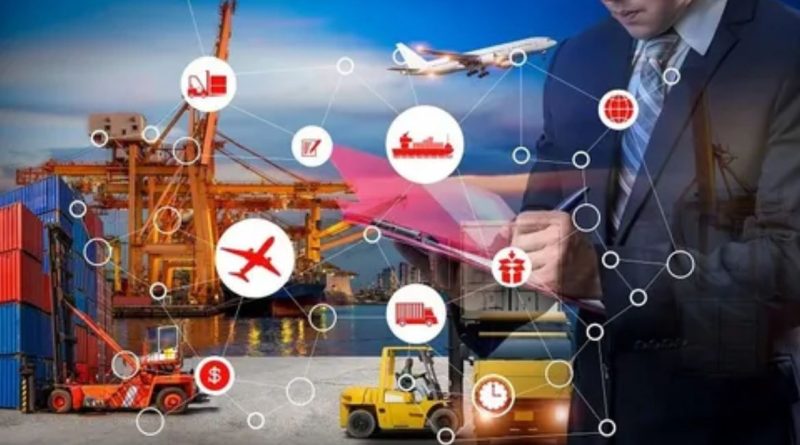
Third Party Logistics Software: A Complete Guide for Businesses
The logistics and supply chain industry has undergone a massive transformation in recent years. As businesses strive for efficiency and scalability, third party logistics (3PL) software has emerged as an essential tool. This guide delves into what 3PL software is, its benefits, key features, and tips for selecting the best solution for your business.
What Is Third Party Logistics Software?
Third party logistics software is a technological solution designed to help 3PL providers manage supply chain operations. It facilitates inventory management, order processing, freight management, and warehouse operations, enabling seamless coordination between businesses and their clients.
Why Do Businesses Need Third-Party Logistics Software?
Modern businesses face increasing pressure to deliver faster and more accurately. 3PL software helps by:
- Enhancing Efficiency: Automating repetitive tasks like order fulfillment and shipment tracking.
- Improving Visibility: Offering real-time insights into inventory and delivery status.
- Reducing Costs: Optimizing routes and warehouse layouts to cut transportation and storage expenses.
- Scalability: Supporting business growth with adaptable solutions that handle increased demand.
Key Features of Third Party Logistics Software
1. Inventory Management
Real-time tracking of stock levels across multiple locations ensures better demand planning and reduces stockouts.
2. Order Fulfillment
Automated systems streamline the process from order receipt to delivery, improving accuracy and speed.
3. Freight Management
Features like route optimization, freight auditing, and carrier integration reduce shipping costs and delays.
4. Warehouse Management
Tools for optimizing storage space, picking and packing processes, and employee workflows.
5. Real-Time Reporting and Analytics
Dashboards and reports help businesses track performance metrics and make data-driven decisions.
Benefits of Using Third-Party Logistics Software
- Customer Satisfaction: Faster deliveries and fewer errors lead to better client relationships.
- Cost Savings: Lower operational costs through automation and optimized resource use.
- Competitive Advantage: Advanced tools enable businesses to stay ahead in a competitive market.
- Regulatory Compliance: Many solutions offer features to ensure adherence to industry standards and regulations.
How to Choose the Right Third-Party Logistics Software
1. Assess Your Needs
Understand your business requirements, such as warehouse size, order volume, and client expectations.
2. Scalability
Choose software that can grow with your business and handle increased operational complexity.
3. Integration Capabilities
Ensure compatibility with your existing ERP, CRM, and other systems for a unified workflow.
4. User-Friendliness
Opt for a solution with an intuitive interface that requires minimal training.
5. Customer Support
Reliable technical support ensures minimal downtime and seamless operations.
Top Trends in 3PL Software for 2024
- AI and Machine Learning: Enhancing predictive analytics and automation.
- Blockchain: Improving supply chain transparency and security.
- IoT Integration: Offering real-time tracking of shipments and assets.
- Cloud-Based Solutions: Increasing flexibility and reducing infrastructure costs.
Conclusion
Third party logistics software is a game-changer for businesses looking to streamline their supply chain operations. By integrating transport software alongside third party logistics solutions, businesses can optimize transportation management, ensuring seamless movement of goods. By understanding its features, benefits, and trends, you can make an informed decision that aligns with your business goals. Whether you’re a small business or an enterprise-level operation, investing in the right 3PL software can drive efficiency, cost savings, and customer satisfaction.
Call to Action
Looking to revolutionize your supply chain? Explore top-rated but today and give your business a competitive edge!