
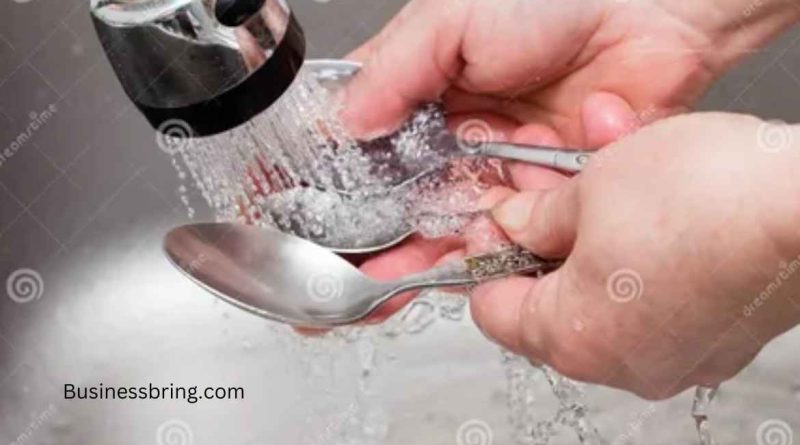
How to Wash a Spoon Without Splashing: Step-by-Step Guide
Washing a spoon may seem like a simple task, but it can be surprisingly tricky to do without causing splashing. Whether you’re trying to avoid making a mess in the kitchen or simply want to clean your utensils more efficiently, following the right technique can make a big difference. This guide will walk you through a step-by-step process to learn how to wash a spoon without splashing, ensuring a clean and tidy experience.
1. Gather Your Supplies
Before you start washing your spoon, make sure you have everything you need within reach. Here’s what you’ll need:
- A dirty spoon
- A sink with running water
- Dish soap
- A soft sponge or dishcloth
- A drying rack or clean towel
Having all your supplies ready will help you wash the spoon efficiently and prevent any unnecessary mess.
2. Adjust the Water Pressure
One of the key factors in preventing splashing is controlling the water pressure. Start by turning on the faucet and adjusting the water to a gentle stream. Learning how to wash a spoon without splashing involves ensuring the water pressure is just right too much pressure can cause water to splash out of the sink, especially when it hits the curved surface of the spoon.
Tip: Use lukewarm water for the best cleaning results. Cold water may not remove grease effectively, while hot water could cause splashing if the pressure is too high.
3. Apply Dish Soap to the Sponge
Next, apply a small amount of dish soap to your sponge or dishcloth. You don’t need a lot—just a drop or two will suffice. When learning how to wash a spoon without splashing, a soapy sponge creates a rich lather that helps clean the spoon thoroughly without needing to use excessive water, reducing the chances of splashing.
Tip: If your spoon is particularly greasy or dirty, let it soak in soapy water for a minute or two before scrubbing. This will loosen any stuck-on food and make cleaning easier.
4. Hold the Spoon Properly
How you hold the spoon while washing is crucial to avoid splashing. Grip the spoon by the handle, keeping the bowl (the curved part) facing downward. This position helps the water flow smoothly off the spoon rather than bouncing off and causing splashes.
Tip: Angle the spoon slightly so that the water runs down one side, further minimizing the risk of splashing.
5. Gently Scrub the Spoon
With your spoon properly positioned, gently scrub the bowl and handle with the soapy sponge. Knowing how to wash a spoon without splashing involves using circular motions to clean the entire surface, paying extra attention to any areas with stuck-on food. Since you’re using a soft sponge and gentle water pressure, you should be able to clean the spoon without any splashing.
Tip: If you notice any splashing during this step, try adjusting the angle of the spoon or reducing the water pressure slightly.
6. Rinse the Spoon Carefully
After scrubbing, it’s time to rinse off the soap. In learning how to wash a spoon without splashing, hold the spoon under the gentle stream of water, starting from the handle and moving toward the bowl. By rinsing in this direction, you allow the water to flow smoothly off the spoon, reducing the risk of splashing.
Tip: If you’re washing multiple spoons, rinse them one at a time to maintain control and prevent splashes.
7. Dry the Spoon
Once the spoon is clean, shake off any excess water over the sink and place it on a drying rack or a clean towel. Allow it to air dry or gently pat it dry with the towel if you’re in a hurry.
Tip: Avoid stacking wet spoons together, as this can trap moisture and lead to water spots or even rust over time.
Conclusion
Washing a spoon without splashing may require a bit of practice, but by following these simple steps, you can achieve a mess-free experience every time. Remember, knowing how to wash a spoon without splashing involves controlling the water pressure, holding the spoon at the right angle, and using gentle, controlled movements while scrubbing and rinsing. With these techniques, you’ll keep your kitchen clean and your utensils spotless!
FAQs
A: Controlling water pressure is crucial because too much pressure can cause water to splash out of the sink, especially when it hits the curved surface of the spoon. Adjusting the faucet to a gentle stream helps minimize splashing.
A: You’ll need a dirty spoon, a sink with running water, dish soap, a soft sponge or dishcloth, and a drying rack or clean towel. Having these supplies ready will help you wash the spoon efficiently and avoid any unnecessary mess.
A: Use circular motions and a soft sponge with gentle water pressure. Adjust the angle of the spoon and the water pressure if you notice splashing while scrubbing.